

As part of our commitment to supporting your life-planning needs, we’re highlighting 2Sisters Senior Living Advisors, who help families make informed choices during one of life’s most personal transitions. 2Sisters’ Alyson and Michelle are excellent resources for anyone beginning to consider senior living options for themselves or a loved one. We’re excited to share their perspective and expertise with our community.
Below is one of their recent newsletters on touring senior living options. It’s a great read on key qualities to consider in the decision making process …

The Secret Ingredient That’s Hard to Spot on a Tour:
How great staffing quietly shapes quality of life.
Good Morning!
As the season turns reflective, we’re reminded that what truly matters in senior living isn’t what you see on the tour — it’s what you feel. The real measure of quality of life comes from the people who show up to work every day. Great staffing isn’t flashy, but it’s the quiet engine that makes everything work.
Families often fall in love with an assisted living community for the same reasons they’d fall in love with a house. It’s pretty. It smells like cookies. The brochure shows happy people doing yoga. But the real quality of a community has very little to do with chandeliers or dining menus, it’s about the people who work there. Beautiful buildings don’t create quality of life. People do.
The Real Quality-of-Life Equation
When you tour, notice the micro-moments. A caregiver kneeling to speak eye-to-eye. A nurse quietly refilling someone’s coffee. That’s the heartbeat of good care. The right staffing mix, training, and relationships turn a building full of services into a true community.
Staffing: It’s Not Just About Ratios
Ratios are only part of the picture. You could have one caregiver for every eight residents, but if six of those residents need help with bathing, dressing, and medications, while the other two are mostly independent, that same ratio means very different workloads.
Communities adjust staffing based on what’s called their *acuity mix* — the level of hands-on care residents need throughout the day. Strong communities schedule more caregivers during busy times (morning and evening routines) and fewer when things are calm. They also overlap shifts for proper handoffs, which prevents rushed care and missed details.
You don’t have to memorize the math. Just look for a team that moves together with calm purpose because that’s what good staffing in motion looks like.
What Makes Staffing Great
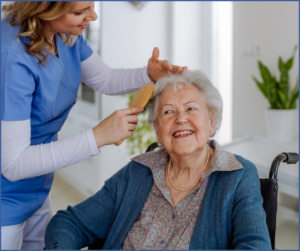 Staffing done well feels seamless. Residents look comfortable. Staff look confident. You hear laughter in the hall. That harmony isn’t luck — it’s leadership, structure, and respect.
Leadership sets the tone. The executive director, nurse, and department heads create the culture. They should be visible, approachable, and willing to talk with families. If they’re proud to explain why they do this work, that’s a strong sign.
Training turns heart into skill. A great caregiver doesn’t just “help”; they understand why a resident might resist. An untrained person sees “refusal.” A trained one sees “fear, confusion, or pain.” That shift changes everything.
Training also covers communication, redirection, and ways to engage memory care residents in familiar routines. In great communities, five-minute “micro- trainings” before each shift keep skills sharp and days calmer. In memory care, rhythm matters as much as ratio. Residents thrive on predictability. Smaller, consistent care teams know who likes to sing at breakfast and who needs quiet to wake up. Familiarity builds trust — you’ll feel it when you walk in.
Ultimately, great staffing looks like teamwork: dining staff who notice who’s eating less, caregivers who share updates, and maintenance staff who greet residents by name. That’s when a building becomes a community.
Culture: The Hidden Variable
 You can tell a lot about a community by how the team interacts. Do they laugh together? Do they know residents by name?
Once, we visited a community where the housekeeper stopped to help a resident find her knitting bag. That moment told us more than the entire marketing packet. That’s the invisible infrastructure of quality care, relationships that go beyond job titles.
When you visit, spend a few minutes with the executive director or nurse. Ask what drew them to this work. Their answers will reveal what kind of culture they’ve built.
Final Thought
When we tour different communities, this is what we look for: the tone of the room, the rhythm of the day, and the small moments you can’t photograph. At the end of the day, quality care isn’t about the building. It’s about the humans inside it.
If you like this content and want to learn more about staffing or anything else, reach out to us anytime!


To learn more about 2Sisters’ services and access their helpful resources, visit https://2sisters-sla.com. There, you will also find their podcast and blog, which offer thoughtful, real-world guidance on everything from cost and memory care to seasonal tips and the often unseen emotional weight of caring for a loved one.